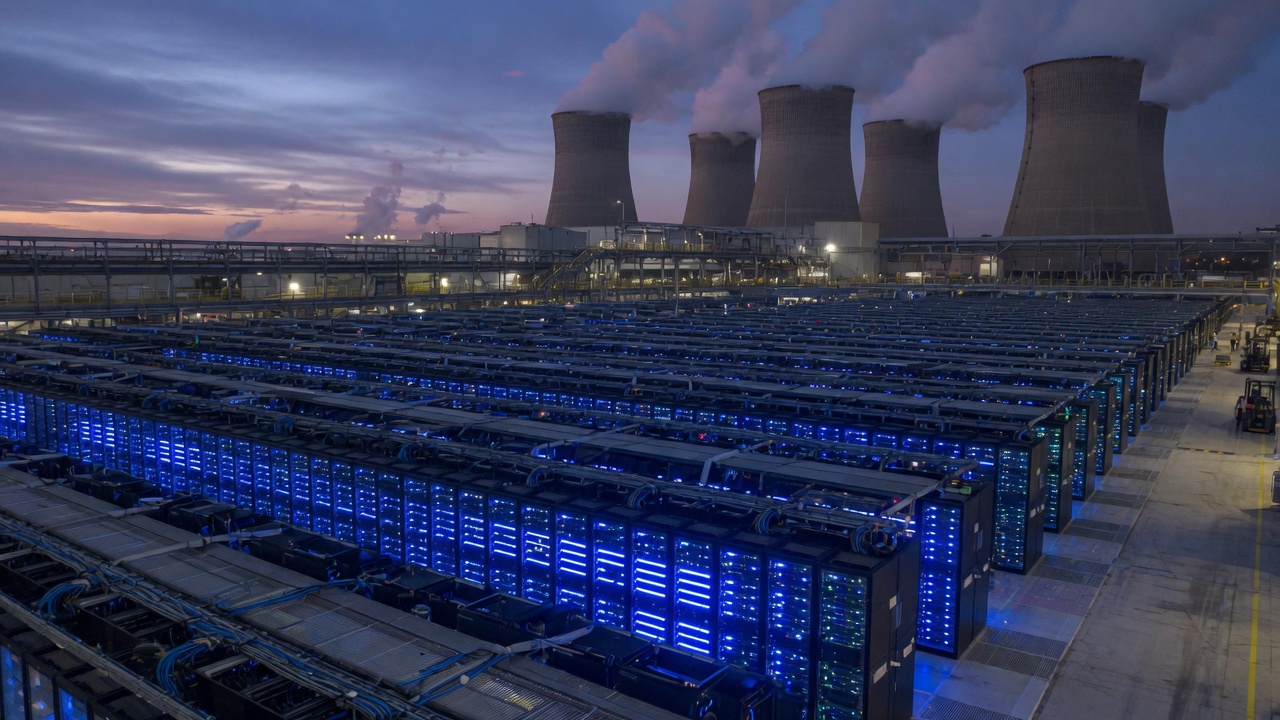
The gap between what hyperscalers are spending on AI infrastructure and what they can clearly show it’s earning is now measured in the hundreds of billions — and the newest tracker numbers make the scale impossible to ignore. As of an Aug. 26–27 update, capexindex.com puts combined tracked capital expenditure at $947.7 billion across 45 companies, with an estimated $319.5 billion of that specifically attributed to AI infrastructure. Alphabet leads the pack at $185.0 billion, ahead of Amazon ($130.0 billion) and Microsoft ($115.9 billion).
This is the first entry in what we’re treating as a living tracker, not a one-off headline. We’ll update the figures as new quarterly disclosures land, because the AI capex vs revenue question isn’t going to resolve in a single earnings cycle — it’s a multi-year story about infra spend, cloud GPU economics, and whether monetization is catching up.
Why it matters
Hyperscalers are treating AI infrastructure like a land grab: build first, disclose revenue attribution later — if at all. Separate industry reporting tied to the same trend suggests the four major hyperscalers are on track to exceed $650 billion in 2026 capex combined, a figure that dwarfs what any of them have disclosed in AI-specific revenue lines. For builders, investors, and journalists, that asymmetry is the story: massive, verifiable spending against vague, often bundled revenue reporting.
For people actually shipping products on top of this infrastructure, the practical translation is cloud GPU economics. Heavy capex today generally means more GPU capacity coming online over the next 12–18 months — but it also means providers need to recoup costs somehow, whether through pricing, reserved-capacity lock-in, or bundling AI compute into broader cloud contracts. Watch for GPU pricing shifts and capacity-allocation policies as the clearest early signal of how this capex is actually being monetized.
The numbers, side by side
| Company | Tracked Capex |
|---|---|
| Alphabet | $185.0B |
| Amazon | $130.0B |
| Microsoft | $115.9B |
| Combined (45 companies) | $947.7B |
| Estimated AI-attributed spend | $319.5B |
Note: these figures come from capexindex.com’s tracker methodology and represent estimates, not company-disclosed AI-specific accounting — most hyperscalers still report capex in aggregate, without a clean AI-only revenue line to match against it.
Key developments this cycle
- Capex concentration is extreme. Alphabet, Amazon, Microsoft, and Alibaba dominate a list of 45 tracked companies, meaning the AI infra spend is heavily concentrated among a handful of balance sheets big enough to absorb multi-year build cycles.
- 2026 guidance is already eye-watering. The four hyperscalers are reportedly on pace for combined capex above $650 billion next year — before AI-specific revenue disclosure has caught up in most public filings.
- Litigation tracking is becoming its own data infrastructure. One tracker reports following 108 major AI lawsuits with daily CourtListener/RECAP docket verification. A second reports monitoring 210 cases, 381 claims, 82 defendants, 124 plaintiff firms, and 48 venues.
- Living pages, not static lists. Multiple outlets are building these as continuously re-verified dockets rather than point-in-time roundups — a format shift that matters for anyone covering AI accountability on a recurring basis.
The litigation leaderboard problem
The discrepancy between the two litigation trackers — 108 cases versus 210 cases — is itself worth flagging. Different trackers use different inclusion criteria (major vs. all filings, active vs. resolved, federal vs. state), and neither figure should be treated as a definitive count of “AI lawsuits” in the abstract. What’s consistent across both is the direction: plaintiff firm involvement (124 firms in the larger tracker) and venue spread (48 venues) suggest litigation exposure is broadening, not narrowing, as more AI products ship into more jurisdictions.
What we don’t know yet
We can’t independently verify the $319.5 billion “AI-attributed” capex estimate against company-level disclosures, because most hyperscalers don’t break out AI infrastructure spend as a standalone line item — the figure is a tracker estimate, not an audited number. Similarly, no public dataset yet cleanly maps AI capex to AI-specific revenue at the same granularity, which is precisely why this gap keeps generating headlines instead of resolution. Treat the $650 billion 2026 projection the same way: directionally credible, but based on aggregated guidance rather than a single disclosed source.
What to watch next
- Q3/Q4 earnings calls for any hyperscaler that starts breaking out AI-specific revenue rather than bundling it into “cloud” or “other services.”
- Whether the capex-to-AI-revenue ratio narrows or widens in the next tracker update.
- New filings in the litigation trackers, especially any venue consolidation that could accelerate rulings with market-moving implications.
We’ll revisit these figures as the trackers update — this is meant to be read again next quarter, not just today.